








Appraisal Info
Learn how a professional home appraisal works, why it matters, and what homeowners, buyers, lenders, attorneys, and real estate professionals should know before ordering an appraisal.
My Florida Home Appraisal provides accurate, well-supported residential valuation services throughout Tampa Bay, Clearwater, St. Petersburg, Cape Coral, Fort Myers, and surrounding Florida communities.

Request Service

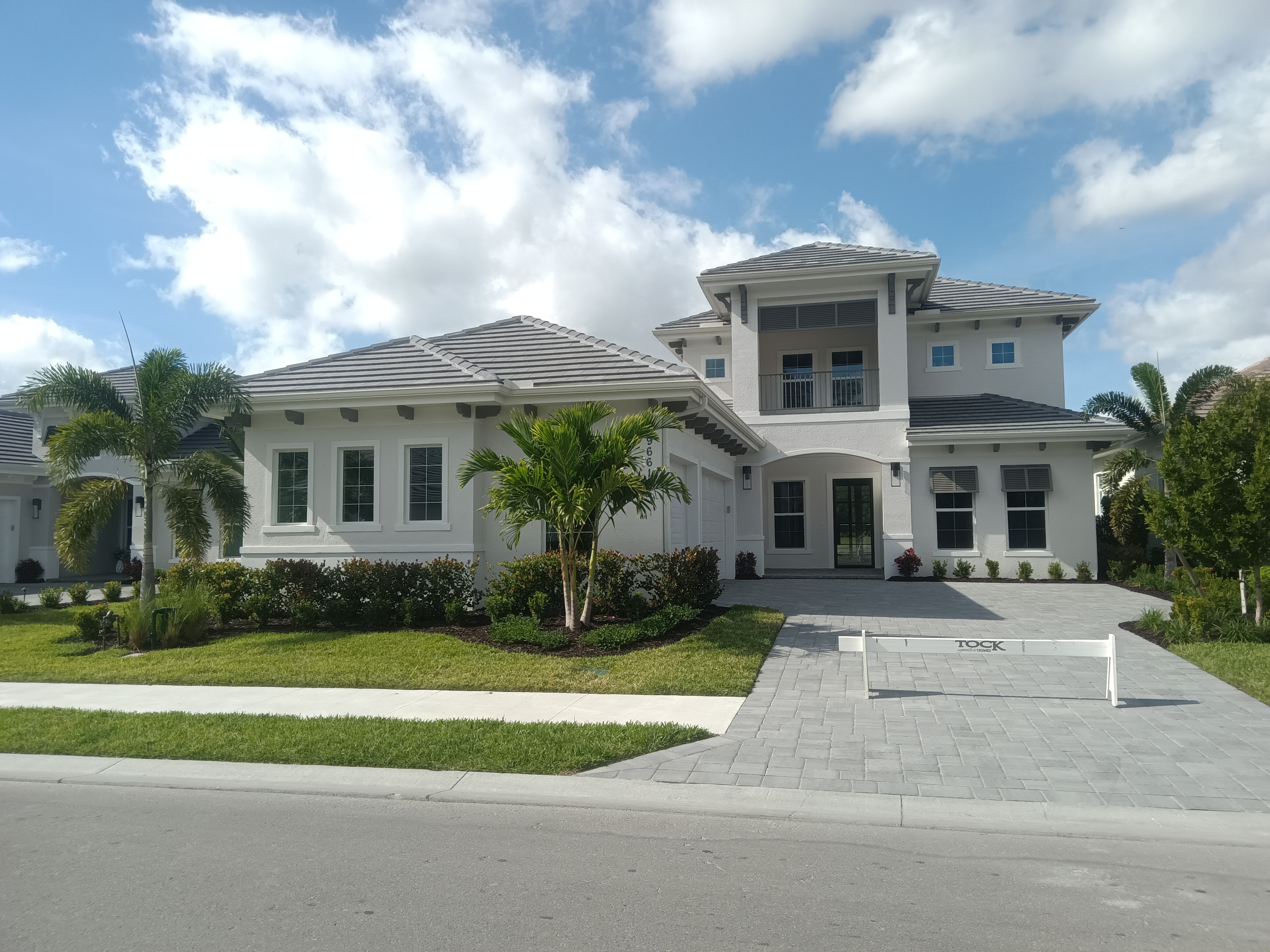
What Is a Home Appraisal?
A home appraisal is a professional, unbiased estimate of a property's fair market value performed by a state-certified real estate appraiser. It plays an important role in real estate transactions, including buying, selling, refinancing, borrowing against home equity, and removing Private Mortgage Insurance (PMI).
The purpose of a home appraisal is to determine what a property would likely sell for on the open market between a willing buyer and a willing seller, both acting with full knowledge and without pressure. This valuation helps support informed decisions by lenders, buyers, and sellers throughout the transaction.
Unlike automated online home value estimators, which rely on algorithms and public data and may be inaccurate, a professional home appraisal includes a physical inspection of the property along with an analysis of local market conditions, recent comparable sales, and the specific features that make the home unique.
Who performs a home appraisal?
In Florida, home appraisals must be performed by an appraiser who is certified by the Florida Department of Business and Professional Regulation (DBPR) and regulated by the Florida Real Estate Appraisal Board (FREAB). To earn a Certified Residential Appraiser credential — the highest residential appraisal license issued by the State of Florida — an appraiser must complete a minimum of 200 hours of qualifying education, accumulate at least 2,500 hours of supervised appraisal experience, hold a bachelor’s degree, and pass a rigorous state and national examination.
Certified appraisers are also required to follow the Uniform Standards of Professional Appraisal Practice (USPAP), which establish the ethical and performance guidelines for appraisal work across the United States. These standards ensure that every appraisal is conducted with accuracy, independence, and professional integrity.
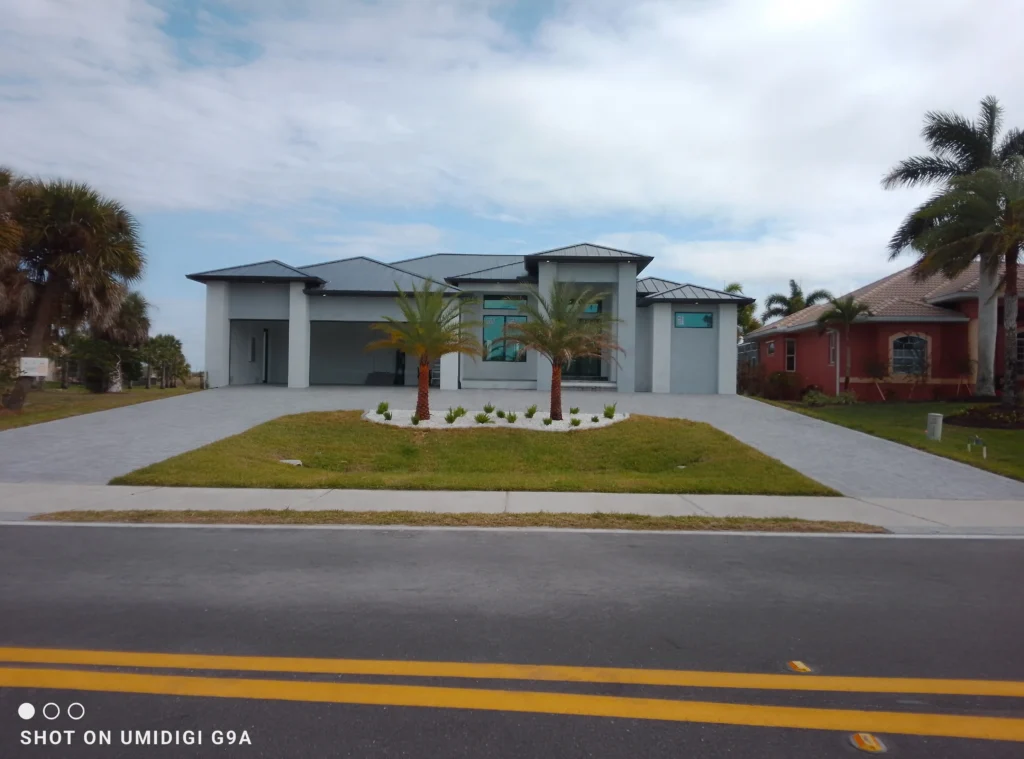
When is a home appraisal required?
A home appraisal is required or recommended in many situations. Mortgage lenders typically require an appraisal before approving a home purchase loan, refinance, home equity loan, or line of credit. Homeowners may also need an appraisal to remove PMI by documenting their current equity position. Sellers often use a pre-listing appraisal to help set an accurate asking price, while attorneys and families may need one for divorce proceedings, estate settlements, probate, or property tax appeals. In short, any time an accurate, independent, and defensible property value is needed, a professional home appraisal can provide that support.
The Inspection
The home appraisal process begins with a thorough on-site inspection of the property. This step forms the foundation of the entire appraisal, because no amount of market research or data analysis can replace an appraiser’s firsthand observation of the home being valued.
What happens during the home appraisal inspection?
During the inspection, the certified appraiser visits the property in person to observe, measure, and document its physical characteristics and overall condition. The inspection usually takes between 30 minutes and one hour for a standard single-family home, although larger, more complex, or unique properties may require additional time.
Here is what a certified appraiser typically evaluates during a home appraisal inspection:
- Exterior assessment. The appraiser examines the property from the outside, evaluating the condition of the roof, siding, foundation, windows, doors, landscaping, driveway, and any exterior structures such as garages, sheds, pool enclosures, lanais, or screened areas.
- Interior assessment. Inside the home, the appraiser documents the number of bedrooms and bathrooms, the overall layout, the quality and condition of flooring, countertops, cabinetry, and fixtures, the condition of walls and ceilings, and the functionality of major systems, including HVAC, plumbing, and electrical.
- Measurements and sketch. The appraiser measures the home to verify the total living area and may prepare a floor plan sketch showing the layout of rooms and living spaces. This step matters because public records are not always accurate, and incorrect square footage can affect the final appraised value.
- Photographs. The appraiser takes photographs of the property’s exterior, interior rooms, and any notable features or conditions. These images become part of the official appraisal report and help support the final analysis.
- Site and location analysis. Beyond the structure itself, the appraiser evaluates the lot, including its size, shape, topography, view, and other site characteristics, as well as the surrounding neighborhood. Factors such as proximity to schools, parks, shopping, major roads, flood zones, or noise sources can influence value.
What is the appraiser looking for?
The appraiser is looking for anything that could affect the property’s market value, either positively or negatively. Upgraded kitchens, new roofs, energy-efficient features, and desirable locations may add value. On the other hand, structural issues, outdated systems, deferred maintenance, functional obsolescence, or external influences such as traffic noise may reduce value. The goal is to build an accurate picture of the property so the final valuation is based on observable facts rather than assumptions.
Get Your Home Appraisal Started Today
Ready to find out what your property is worth? Contact our certified real estate appraiser for a free quote on your Clearwater or Cape Coral home appraisal.
Clearwater / Tampa: 727-244-8412
Cape Coral / Fort Myers: 239-234-3998
The Cost Approach to Value
After completing the property inspection, the appraiser begins the analytical phase of the home appraisal process. One of the three recognized approaches used to determine a property’s value is the cost approach.
What is the cost approach?
The cost approach estimates what it would cost to build a comparable version of the subject property at current prices, then subtracts depreciation to reflect the age and condition of the existing structure. The formula is straightforward:
Land Value + Cost of New Construction − Depreciation = Property Value
The appraiser begins by estimating the land value as if the site were vacant, using recent sales of comparable lots when available. Next, the appraiser calculates the cost to construct a new home with similar features, quality, and square footage as the subject property, using current construction costs, material prices, and labor rates. Finally, the appraiser deducts depreciation, which reflects the loss in value caused by age, wear and tear, outdated features, or external factors.
Types of depreciation considered in the cost approach
The cost approach generally considers three categories of depreciation. Physical deterioration refers to wear and tear from age and use, such as an aging roof, worn flooring, or outdated HVAC systems. Functional obsolescence refers to design features that reduce a home’s appeal in the current market, such as an inefficient floor plan, insufficient electrical service, or inadequate storage. External or economic obsolescence refers to outside influences that may reduce value, such as traffic noise, nearby land uses, or broader market conditions.
When is the cost approach most useful?
The cost approach is especially useful for newer construction, custom-built homes, and unique properties where comparable sales data may be limited. It helps answer an important question: why would a buyer pay more for an existing home than it would cost to build a similar new one? While the cost approach often serves as an upper boundary of value, it is typically considered alongside the other approaches to produce a balanced and well-supported appraisal.
The Sales Comparison Approach — The Core of Most Home Appraisals
The sales comparison approach is the most widely used and heavily weighted method in residential home appraisals. It is the approach that most closely reflects how the real estate market actually works — by comparing the subject property to recently sold homes in the same area.
How the comparison approach works
The appraiser identifies recently sold properties, known as “comparables” or “comps”, that share similar characteristics with the subject property. Ideal comparables are located in the same neighborhood or a similar nearby area, have sold within the past three to six months, and are similar in size, age, style, condition, and features.
Once the comparable sales are identified, the appraiser makes dollar adjustments to account for differences between each comparable and the subject property. This process ensures that each comparable reflects what it would have sold for if it had the same characteristics as the subject.
How adjustments work in the comparison approach
Because every property is unique, no comparable sale will be a perfect match. The appraiser’s role is to quantify the differences and adjust the comparable’s sale price accordingly.
For example, if a comparable home sold for $350,000 and includes a pool while the subject property does not, the appraiser would deduct the estimated value of the pool from the comparable’s price. Conversely, if the subject property has an extra bathroom that the comparable lacks, the appraiser would add the estimated value of that feature. These adjustments are applied across multiple comparables until the adjusted prices converge into a realistic value range.
What factors are adjusted in the comparison approach
Adjustments may include differences in square footage, lot size, number of bedrooms and bathrooms, garage capacity, condition, quality, age, location, view, waterfront access, presence of a pool or lanai, energy-efficient features, and recent renovations. The goal is to ensure that each comparable reflects the subject property as closely as possible.
Why market knowledge matters in the comparison approach
Two homes with similar square footage and layouts can have very different values depending on location, condition, and surrounding influences. A well-supported appraisal requires a deep understanding of how buyers react to specific features, neighborhood characteristics, and market trends. This knowledge allows the appraiser to apply adjustments accurately and produce a credible and defensible valuation.
The Income Approach — For Rental and Investment Properties
For income-producing properties, such as rental homes, duplexes, or small multi-family properties, the appraiser may apply a third valuation method known as the income approach.
The income approach estimates a property’s value based on its ability to generate income. The appraiser analyzes the property’s current or potential rental income, subtracts operating expenses such as property management, maintenance, insurance, and vacancy, and then applies a capitalization rate to convert the net income into an estimated value.
This approach is especially relevant for properties that are purchased primarily as investments. It reflects how investors evaluate real estate — by focusing on income potential and return on investment rather than purely on comparable sales.
The income approach is typically used alongside the sales comparison approach and, in some cases, the cost approach to provide a well-rounded and supported estimate of value.
Reconciliation — Arriving at the Final Appraised Value
After applying the applicable valuation approaches — the cost approach, the sales comparison approach, and, when relevant, the income approach — the appraiser enters the reconciliation phase. This is the final analytical step in the appraisal process, where the appraiser weighs the results of each approach and determines a single, well-supported opinion of the property’s market value.
How does reconciliation work?
Reconciliation is not a simple average of the three approaches. Instead, the appraiser uses professional judgment to determine which approach or combination of approaches is most reliable and most applicable for the specific property being appraised. The appraiser considers the quality and quantity of available data, the type of property, and the purpose of the appraisal.
For most single-family homes, the sales comparison approach typically receives the greatest weight because it most directly reflects how buyers and sellers behave in the market. The cost approach may receive more emphasis for newer construction or custom homes, while the income approach may carry more weight for rental or investment properties.
What does the final appraised value represent?
The reconciled value is the appraiser’s best professional estimate of what the property would sell for on the open market as of the effective date of the appraisal. It is important to understand that the appraised value is not a guarantee of the final sale price. Market conditions, seller motivation, buyer demand, and other factors can influence the actual transaction.
However, the appraised value represents a reliable, independent, and data-supported estimate of a property’s worth and is commonly used by lenders, attorneys, and government agencies to support financial and legal decisions.
What does the final appraisal report include?
The completed appraisal report is a comprehensive document that includes a detailed description of the property and its condition, photographs of the subject property and comparable sales, a neighborhood and market analysis, the appraiser’s evaluation under each applicable approach, a summary of comparable sales and adjustments, the reconciliation process, and the final value conclusion, along with the appraiser’s certifications and qualifications.
Get Your Home Appraisal Started Today
Ready to find out what your property is worth? Contact our certified real estate appraiser for a free quote on your Clearwater or Cape Coral home appraisal.
Clearwater / Tampa: 727-244-8412
Cape Coral / Fort Myers: 239-234-3998
What Makes a Home Appraisal Different?
Appraising homes in Florida involves considerations that may not apply elsewhere in the country. A qualified appraiser understands these location-specific factors and how they influence property values in different environments.
- Hurricane and wind mitigation features. Homes in Florida are subject to strict building codes designed to withstand severe weather. Features such as impact-resistant windows and doors, reinforced garage doors, hip roof designs, concrete block construction, and secondary water barriers can influence value and are carefully evaluated during the appraisal.
- Flood zone designation. Many properties are located within FEMA-designated flood zones. Flood zone classification affects insurance costs, which can influence buyer demand and overall property value. Appraisers consider how these factors impact marketability.
- Waterfront and water access. Properties with water access or views often command different values depending on factors such as type of waterway, accessibility, view quality, and supporting features like docks, seawalls, or boat lifts. These characteristics require careful evaluation.
- Seasonal market dynamics. Real estate markets in certain regions experience seasonal demand patterns, which can affect pricing trends, inventory levels, and comparable sales. Understanding these cycles is important when analyzing recent sales data.
- Insurance considerations. Property insurance costs can influence affordability and buyer behavior. Features that reduce risk, such as updated roofs or storm-resistant construction, may impact value indirectly through their effect on insurance premiums.
Choose Your Service Area and Call Today
Why Appraiser Qualifications Matter
How an appraiser’s experience affects accuracy
The accuracy, reliability, and defensibility of a home appraisal depend heavily on the qualifications and experience of the appraiser. A well-trained appraiser applies consistent methodology, understands market behavior, and produces reports that can withstand scrutiny from lenders, attorneys, and regulatory entities.
Professional experience and market knowledge
Appraisers with extensive experience have worked through different market cycles, including periods of rapid growth, decline, and stabilization. This historical perspective allows them to interpret market data more accurately and apply appropriate adjustments under varying conditions.
Licensing and certification standards
Certified Residential Appraisers must meet strict requirements established by state regulatory agencies. These typically include formal education, thousands of hours of supervised experience, and successful completion of national and state examinations. Licensing ensures that the appraiser has the technical knowledge required to produce credible results.
USPAP compliance and continuing education
All professional appraisers must follow the Uniform Standards of Professional Appraisal Practice (USPAP), which define ethical and performance standards for appraisal work. In addition, continuing education is required to ensure that appraisers remain current with changing regulations, market conditions, and valuation techniques.
Industry acceptance and report standards
Appraisal reports are used by lenders, financial institutions, attorneys, and government agencies. A well-prepared report must meet strict documentation, analysis, and reporting standards to be accepted in financial and legal contexts.
Professional accountability and risk management
Certified appraisers are typically required to carry professional liability insurance, also known as errors and omissions (E&O) coverage. This provides an additional layer of accountability and protection for clients, reinforcing the importance of accuracy and professionalism in the appraisal process.
Frequently Asked Questions About the Appraisal Process
What valuation methods do appraisers use?
Appraisers typically use three main methods: the sales comparison approach, the cost approach, and, when applicable, the income approach. Each method provides a different perspective on value depending on the type of property and the purpose of the appraisal.
What is the most important approach in a residential appraisal?
For most single-family homes, the sales comparison approach usually receives the greatest weight because it reflects real market behavior based on recent comparable sales.
What happens after the inspection?
After the inspection, the appraiser analyzes market data, applies the appropriate valuation methods, and reconciles the results to produce a final opinion of value.
What is reconciliation in a home appraisal?
Reconciliation is the process of evaluating the results of the different valuation approaches to determine the most reliable final value for the property.
Is an appraisal the same as a home inspection?
No. A home appraisal determines the market value of a property, while a home inspection evaluates its physical condition and identifies potential issues or needed repairs.
Why might different appraisals have slightly different values?
Appraisals involve professional judgment, and different appraisers may select different comparable sales or apply slightly different adjustments. However, well-supported appraisals should fall within a reasonable value range.
How do appraisers choose comparable sales?
Appraisers select comparable properties that are similar in location, size, condition, age, and features. They also prioritize recent sales to reflect current market conditions.
Can market conditions affect an appraisal?
Yes. Changes in supply and demand, interest rates, and overall market trends can influence property values. Appraisers analyze current market data to reflect these conditions in the final valuation.
Looking for Appraisal Services in Your Area?
Professional Experience and Credentials
25+ Years of Experience
Extensive experience completing residential home appraisals across a wide range of market conditions.
State-Certified Appraiser
Certified Residential Appraiser (#RD 7907) producing USPAP-compliant appraisal reports.
Verified Client Reviews
Consistently high ratings based on client feedback and completed appraisal assignments.
BBB A+ Accreditation
Accredited by the Better Business Bureau with the highest rating.
Get Your Home Appraisal Started Today
Now that you understand the home appraisal process, the next step is simple — contact our certified appraiser for a free, no-obligation quote. Whether you need an appraisal for a purchase, refinance, PMI removal, estate planning, or any other purpose, you can expect accurate, USPAP-compliant valuations delivered with clarity and professionalism.
Clearwater / Tampa Bay: 727-244-8412
Cape Coral / Fort Myers: 239-234-3998
Certification: Florida State Certified Residential Appraiser #RD 7907
Hours:
Monday: 9:00 AM – 7:00 PM
Tuesday–Friday: 9:00 AM – 5:00 PM
Saturday–Sunday: Closed