
With 25 years of experience and thousands of completed appraisals across Clearwater and Cape Coral, we explain exactly what goes into a professional home appraisal — from the initial inspection to the final value.
Clearwater 727-244-8412 & Cape Coral 239-234-3998

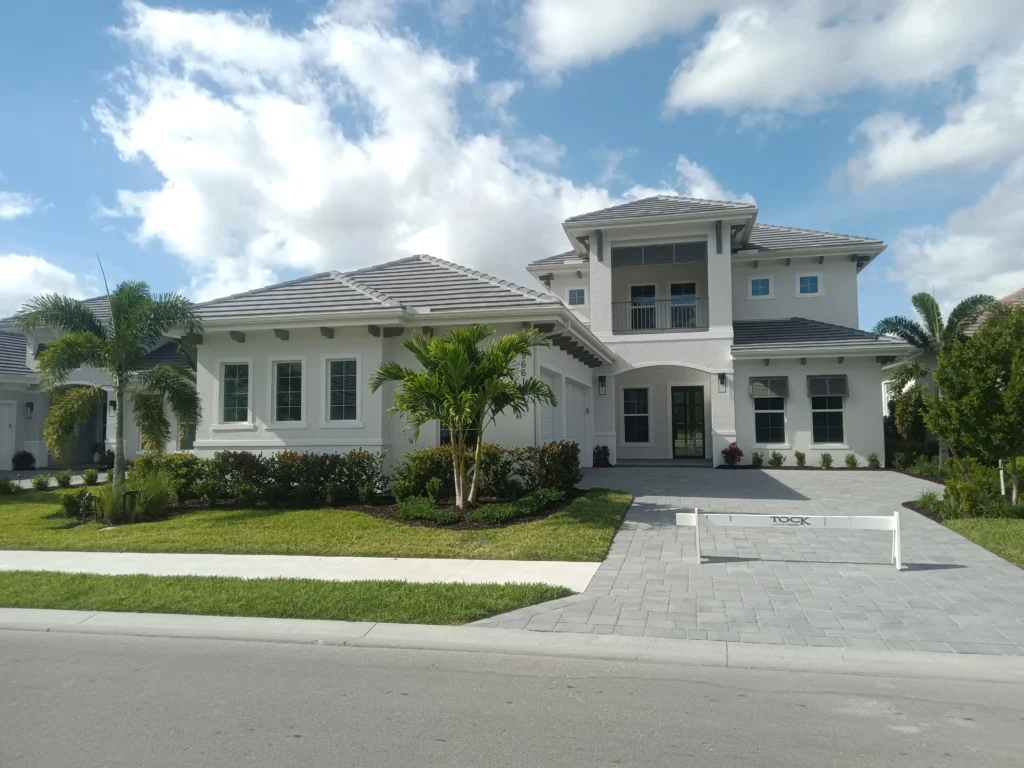
A home appraisal is a professional, unbiased estimate of a property’s fair market value, performed by a state-certified real estate appraiser. It is one of the most important steps in any real estate transaction — whether you’re buying, selling, refinancing, borrowing against your home equity, or removing Private Mortgage Insurance (PMI).
The purpose of a home appraisal is straightforward: to determine what a property would sell for on the open market between a willing buyer and a willing seller, both acting with full knowledge and without undue pressure. This value protects everyone involved in the transaction. Lenders use the appraisal to confirm that the property’s value supports the loan amount, buyers use it to ensure they are paying a fair price, and sellers use it to validate their asking price.
Unlike automated online home value estimators — which rely on algorithms and public data and can be inaccurate by significant margins — a professional home appraisal involves an actual physical inspection of the property combined with a trained analysis of local market conditions, recent comparable sales, and the specific characteristics that make your home unique.
In Florida, home appraisals must be performed by an appraiser who is certified by the Florida Department of Business and Professional Regulation (DBPR) and regulated by the Florida Real Estate Appraisal Board (FREAB). To earn a Certified Residential Appraiser credential — the highest residential appraisal license issued by the State of Florida — an appraiser must complete a minimum of 200 hours of qualifying education, accumulate at least 2,500 hours of supervised appraisal experience, hold a bachelor’s degree, and pass a rigorous state and national examination.
At My Florida Home Appraisal, our lead appraiser holds a Florida Certified Residential Appraiser license #RD 7907 and has over 25 years of hands-on experience completing thousands of residential appraisals across Clearwater, Cape Coral, and the greater Tampa Bay and Fort Myers markets. Every appraisal we produce is completed in full compliance with the Uniform Standards of Professional Appraisal Practice (USPAP) — the federally mandated quality and ethics standards governing the appraisal profession nationwide.
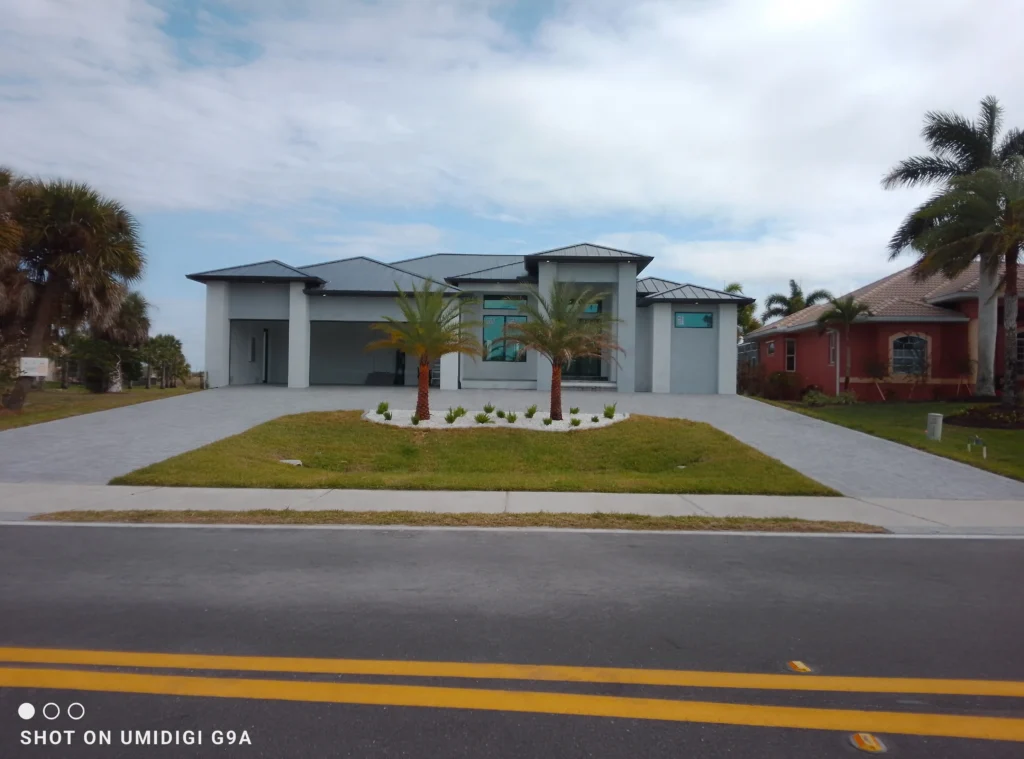
A home appraisal is required or recommended in numerous situations. Mortgage lenders require an appraisal before approving a home purchase loan, a refinance, or a home equity loan or line of credit. Homeowners seeking to remove PMI from their mortgage need an appraisal to document their current equity position. Sellers benefit from a pre-listing appraisal to set an accurate asking price. Attorneys and families need appraisals for divorce proceedings, estate settlements, and probate. Property owners may also need an appraisal to support a property tax appeal. In short, any time an accurate, independent, and defensible property value is needed, a professional home appraisal is the answer.
The Florida home appraisal process starts with a thorough on-site inspection of the property. This is the foundation of the entire appraisal — no amount of market research or data analysis can substitute for an appraiser’s firsthand observation of the property being valued.
During the inspection, the certified appraiser visits the property in person to observe, measure, and document its physical characteristics and overall condition. The inspection typically takes between 30 minutes and one hour for a standard single-family home, though larger, more complex, or unique properties may require additional time.
Here is what our appraiser evaluates during a typical home appraisal inspection in Clearwater or Cape Coral:
The appraiser is looking for anything that would affect the property’s market value — both positively and negatively. Upgraded kitchens, new roofs, energy-efficient features, and desirable locations add value. Conversely, structural issues, outdated systems, deferred maintenance, functional obsolescence (such as an awkward floor plan), or external factors (such as proximity to a busy highway) can reduce value. The goal is to paint an accurate, complete picture of the property so that the subsequent market analysis and valuation are based on reality, not assumptions.
Ready to find out what your property is worth? Contact our certified real estate appraiser for a free quote on your Clearwater or Cape Coral home appraisal.
Clearwater / Tampa: 727-244-8412 Cape Coral / Fort Myers: 239-234-3998
After completing the property inspection, the appraiser begins the analytical phase of the Florida home appraisal process. One of the three recognized approaches to determining a property’s value is the cost approach.
The cost approach estimates the cost to build a replica of the subject property from the ground up at today’s prices, then subtracts depreciation to account for the age and condition of the existing structure. The formula is straightforward:
The appraiser begins by estimating the land’s value as if it were vacant, using recent sales of comparable vacant lots in the area. Next, the appraiser calculates the cost to construct a brand-new home with the same features, quality, and square footage as the subject property, using current local construction costs, material prices, and labor rates. Finally, the appraiser deducts for depreciation — the loss in value caused by the home’s age, wear and tear, outdated features, or external factors.
The cost approach recognizes three categories of depreciation. Physical deterioration refers to wear and tear from age and use — things like an aging roof, worn flooring, or outdated HVAC systems. Functional obsolescence refers to design features that reduce a home’s desirability in the current market, such as an inefficient floor plan, insufficient electrical service, or inadequate storage. External (or economic) obsolescence refers to factors outside the property that reduce its value, such as proximity to a noisy roadway, an undesirable neighboring property, or adverse market conditions affecting the area.
The cost approach is particularly valuable for newer construction, custom-built homes, and unique properties where comparable sales data is limited. It answers the question: why would a buyer pay more for an existing home than it would cost to build a comparable new one? While the cost approach often sets an upper boundary on value, it is used alongside the other approaches to ensure a well-rounded, defensible appraisal.
In the Clearwater and Cape Coral markets, the cost approach is especially relevant for newly constructed homes, custom waterfront properties, and homes with significant additions or renovations where the replacement cost of those improvements is a meaningful factor in the overall valuation.
The sales comparison approach is the most widely used and most heavily weighted method in residential home appraisals. It is the approach that most closely reflects how the real estate market actually works — by comparing the subject property to recently sold homes in the same area.
The appraiser identifies recently sold properties — known as “comparables” or “comps” — that share similar characteristics with the subject property. Ideal comparables are located in the same neighborhood or a similar nearby area, have sold within the past three to six months, and are similar in size, age, style, condition, and features.
Once the comparable sales are identified, the appraiser makes dollar adjustments to account for the differences between each comparable and the subject property. This is where an appraiser’s deep local market knowledge becomes essential.
Every property is unique so that no comparable sale will be a perfect match for the subject. The appraiser’s job is to quantify the differences between the comparable and the subject, then adjust the comparable’s sale price accordingly.
For example, if a comparable home sold for $350,000 and it has a pool but the subject property does not, the appraiser would deduct the estimated value of a pool from the comparable’s sale price conversely, if the subject property has an extra bathroom that the comparable lacks, the appraiser would add the estimated value of that bathroom to the comparable’s price. These adjustments are systematically applied across multiple comparables until the adjusted sale prices converge into a narrow range that reflects the subject property’s market value.
Adjustments in the sales comparison approach can include differences in gross living area (square footage), lot size, number of bedrooms and bathrooms, garage capacity, condition and quality, age, location, view, waterfront access, pool and lanai, hurricane-impact features, recent renovations, and other amenities. In the Clearwater and Cape Coral markets, adjustments for waterfront or canal access, flood zone location, sea wall condition, boat lift or dock, and hurricane-rated windows and shutters are particularly significant and require an appraiser who understands how local buyers value these features.
Two homes with identical square footage, bedrooms, and bathrooms can have very different values depending on their neighborhoods, proximity to the water, or condition of their finishes. An appraiser who has worked in the Clearwater and Cape Coral markets for over two decades — as we have — understands the subtle differences between subdivisions, the premiums that buyers pay for specific locations, and the features that drive value in the local market. This depth of local knowledge is what separates a reliable, well-supported appraisal from a generic one.
For income-producing properties — such as rental homes, duplexes, or small multi-family properties — the appraiser may employ a third valuation method, the income approach.
The income approach estimates a property’s value based on the income it can generate. The appraiser analyzes the property’s current or potential rental income, subtracts operating expenses (such as property management, maintenance, insurance, and vacancy losses), and then applies a capitalization rate to convert the net income into an estimate of value.
This approach is particularly relevant in Cape Coral and Clearwater, where many properties serve as seasonal, long-term, or investment rentals. An accurate income approach requires knowledge of local rental rates, vacancy trends, and the typical expenses for rental properties in the area — all of which our 25 years of experience in these markets provides.
The income approach is typically used in conjunction with the sales comparison approach and, in some cases, the cost approach, to provide a comprehensive picture of the property’s value from multiple perspectives.
After applying the applicable valuation approaches — the cost approach, the sales comparison approach, and, when relevant, the income approach — the appraiser enters the reconciliation phase. This is the final analytical step in the Florida home appraisal process, where the appraiser weighs the results of each approach and determines a single, well-supported opinion of the property’s market value.
Reconciliation is not a simple average of the three approaches. Instead, the appraiser uses professional judgment to determine which approach or combination of approaches is most reliable and most applicable for the specific property being appraised. The appraiser considers the quality and quantity of available data for each approach, the type of property, and the appraisal’s purpose.
For most single-family homes in Clearwater and Cape Coral, the sales comparison approach receives the greatest weight in reconciliation because it most directly reflects how buyers and sellers behave in the local real estate market. The cost approach may receive greater emphasis for newer construction or custom homes, while the income approach may carry more weight for rental properties.
The reconciled value is the appraiser’s best professional estimate of what the property would sell for on the open market as of the effective date of the appraisal. It is important to understand that the appraised value is not a guarantee of what a property will sell for — market conditions, seller motivation, buyer competition, and other factors can cause the final sale price to differ from the appraised value. However, the appraised value represents the most reliable, independent, and data-supported estimate of a property’s worth, and it is the standard used by lenders, attorneys, and government agencies to make informed financial and legal decisions.
The completed appraisal report is a comprehensive, professionally written document that includes a detailed description of the property and its condition, photographs of the subject property and comparable sales, a neighborhood and market analysis, the appraiser’s analysis under each applicable valuation approach, a summary of the comparable sales and adjustments, the appraiser’s reconciliation and final value opinion, and the appraiser’s certifications and qualifications. At My Florida Home Appraisal, we take pride in delivering reports that are thorough, defensible, and — most importantly — easy to understand. Our clients consistently highlight the clarity of our reports as one of the top reasons they recommend us.
Ready to find out what your property is worth? Contact our certified real estate appraiser for a free quote on your Clearwater or Cape Coral home appraisal.
Clearwater / Tampa: 727-244-8412 Cape Coral / Fort Myers: 239-234-3998
Appraising homes in Florida — particularly in the Clearwater and Cape Coral markets — involves considerations that may not apply elsewhere in the country. An appraiser who understands these Florida-specific factors will produce a more accurate and reliable valuation.
Not all home appraisals are created equal. The accuracy, reliability, and defensibility of your appraisal depend directly on the qualifications, experience, and local market knowledge of the appraiser who produces it. Here is why Clearwater and Cape Coral homeowners, lenders, and attorneys trust My Florida Home Appraisal:
25+ Years of Professional Experience: We have been completing residential home appraisals in the Florida market since 2000 — through every type of market condition, including the housing boom, the financial crisis and recovery, and the rapid appreciation of recent years. This depth of experience means we have the historical context and market perspective to produce appraisals that are accurate in any economic environment.
Florida State-Certified Residential Appraiser (#RD 7907): Our lead appraiser holds a Certified Residential Appraiser license issued by the Florida Department of Business and Professional Regulation (DBPR) — the highest residential appraisal credential available in the State of Florida. This certification requires a minimum of 200 hours of qualifying education, 2,500 hours of supervised experience, a bachelor’s degree, and successful completion of both a national and Florida supplemental examination. Our license is verifiable through the DBPR’s public license search at MyFloridaLicense.com.
Full USPAP Compliance and Continuing Education: Every appraisal we complete adheres to the Uniform Standards of Professional Appraisal Practice (USPAP), the quality and ethics standards required by federal law for all real estate appraisals connected to federally related transactions. We complete 30 hours of continuing education every two-year renewal cycle — including the mandatory USPAP update course — to ensure our methods, knowledge, and practices remain current with evolving industry standards and Florida regulations.
Accepted by Major Lenders and Institutions: Our appraisal reports are accepted by major national mortgage lenders, regional banks, credit unions, appraisal management companies (AMCs), real estate attorneys, estate planners, and family law professionals throughout the Clearwater and Cape Coral markets.
155+ Verified Five-Star Google Reviews: Our 4.7-star average across more than 155 Google reviews reflects a consistent track record of accuracy, professionalism, and clear communication. Our clients regularly highlight the quality of our reports, our fast turnaround times, and our responsive customer service.
BBB A+ Accredited Business: My Florida Home Appraisal is accredited by the Better Business Bureau with an A+ rating — the highest rating awarded. This accreditation reflects our commitment to ethical business practices, transparent communication, and customer satisfaction.
Full Professional Liability Insurance: We carry comprehensive errors and omissions (E&O) insurance, as required by Florida law for all certified appraisers. This protects both our clients and our business in the unlikely event of an error or omission in the appraisal process.
The Florida home appraisal process is a standardized procedure in which a state-certified appraiser inspects a property, researches recent comparable sales, applies one or more valuation approaches (cost approach, sales comparison approach, and income approach), and reconciles the results into a single, well-supported opinion of the property’s fair market value. The process is governed by the Uniform Standards of Professional Appraisal Practice (USPAP) and regulated in Florida by the Florida Real Estate Appraisal Board (FREAB) under the Department of Business and Professional Regulation (DBPR).
The on-site property inspection typically takes 30 to 60 minutes for a standard single-family home in Clearwater or Cape Coral. After the inspection, the appraiser completes the market research, analysis, and report writing. Most appraisal reports are delivered within a few business days of the inspection, though turnaround times can vary depending on property complexity and current demand.
Home appraisal fees in Clearwater and Cape Coral depend on factors including the property’s size, type, location, and the complexity of the assignment. Contact My Florida Home Appraisal at 727-244-8412 (Clearwater) or 239-234-3998 (Cape Coral) for a personalized quote. We provide transparent, upfront pricing with no hidden fees.
The cost approach estimates a property’s value by calculating what it would cost to rebuild the home from scratch at today’s prices, then subtracting depreciation for age and wear. The sales comparison approach estimates value by analyzing recent sales of similar homes in the area, with adjustments for differences between those homes and the subject property. For most residential appraisals, the comparison approach is the primary method, while the cost approach provides a supporting data point — particularly for newer or custom-built homes.
Reconciliation is the final step in the appraisal process, in which the appraiser weighs the results from all applicable valuation approaches — cost, sales comparison, and income — and determines a single opinion of value. The appraiser uses professional judgment to decide which approach is most reliable for the specific property, rather than simply averaging the results. The reconciled value becomes the official appraised value stated in the report.
During the inspection, the appraiser evaluates the property’s overall condition, measures the total living area, documents the number of bedrooms and bathrooms, assesses the quality of construction and finishes, notes any upgrades or renovations, identifies deferred maintenance or defects, photographs the interior and exterior, and evaluates the lot, location, and neighborhood. In Florida, the appraiser also pays close attention to hurricane mitigation features, flood zone designation, waterfront access, and insurance-related factors.
Yes. Homeowners are welcome to be present during the inspection. They are encouraged to point out any recent improvements, upgrades, or features that the appraiser might not immediately notice — such as a new roof, updated electrical panel, hurricane-impact windows, or a remodeled kitchen. Providing a list of improvements with approximate dates and costs can be very helpful.
If the appraised value is lower than the expected or contracted price, you have several options. You can provide additional comparable sales data to the appraiser through a reconsideration of value (ROV) request via your lender. You can order a second appraisal from a different certified appraiser. You can renegotiate the sale price with the other party. Or you can request a professional appraisal review — either a field or desk review — to determine whether the original appraisal was accurate and well-supported. My Florida Home Appraisal offers both field and desktop appraisal review services for situations like these.
A home appraisal determines a property’s market value and is performed by a state-certified real estate appraiser. A home inspection evaluates the physical condition of a home’s structure and systems and is performed by a licensed home inspector. Mortgage lenders require appraisals; home inspections are typically optional but strongly recommended for buyers. While appraisers do note obvious defects during their inspection, their primary purpose is to establish value, not to diagnose mechanical, structural, or safety issues.
No. A home appraisal is an independent opinion of market value performed by a certified private-sector appraiser for a specific purpose, such as a sale, refinance, or equity loan. A property tax assessment is a value assigned by the county property appraiser’s office for the purpose of calculating property taxes. The two values can differ significantly. If you believe your property tax assessment is too high, a professional home appraisal from a certified appraiser can be used to support a tax appeal before the Value Adjustment Board.
Now that you understand the Florida home appraisal process, the next step is simple — contact our certified appraiser for a free, no-obligation quote. Whether you need an appraisal for a purchase, refinance, PMI removal, estate planning, or any other purpose, My Florida Home Appraisal delivers accurate, USPAP-compliant valuations with the clarity and customer service that have earned us over 155 five-star reviews.
Clearwater / Tampa Bay: 727-244-8412 Cape Coral / Fort Myers: 239-234-3998 Email: info@myfloridahomeappraisal.comCertification: Florida State Certified Residential Appraiser #RD 7907
Hours: Monday: 9:00 AM – 7:00 PM Tuesday–Friday: 9:00 AM – 5:00 PM Saturday–Sunday: Closed